[Permanent Edition] We will explain how to choose a wooden bat according to its purpose!
Hello everyone! This is Par-nii from Amazing Baseball Partners!
This time, I would like to explain in detail how to choose a wooden bat, based on the purpose of the bat, as I am often asked, "There are so many materials, I don't know which one to choose."
This article will be helpful for players who are looking to start using wooden bats, as well as those who have just started playing baseball and are looking for a bat to use for practice, so if you're interested, please read on!
table of contents
- ■What is a wooden bat?
- ■Are the materials really that different?
- ■ When in doubt, choose the classic route
- ■ Summary
■What is a wooden bat?

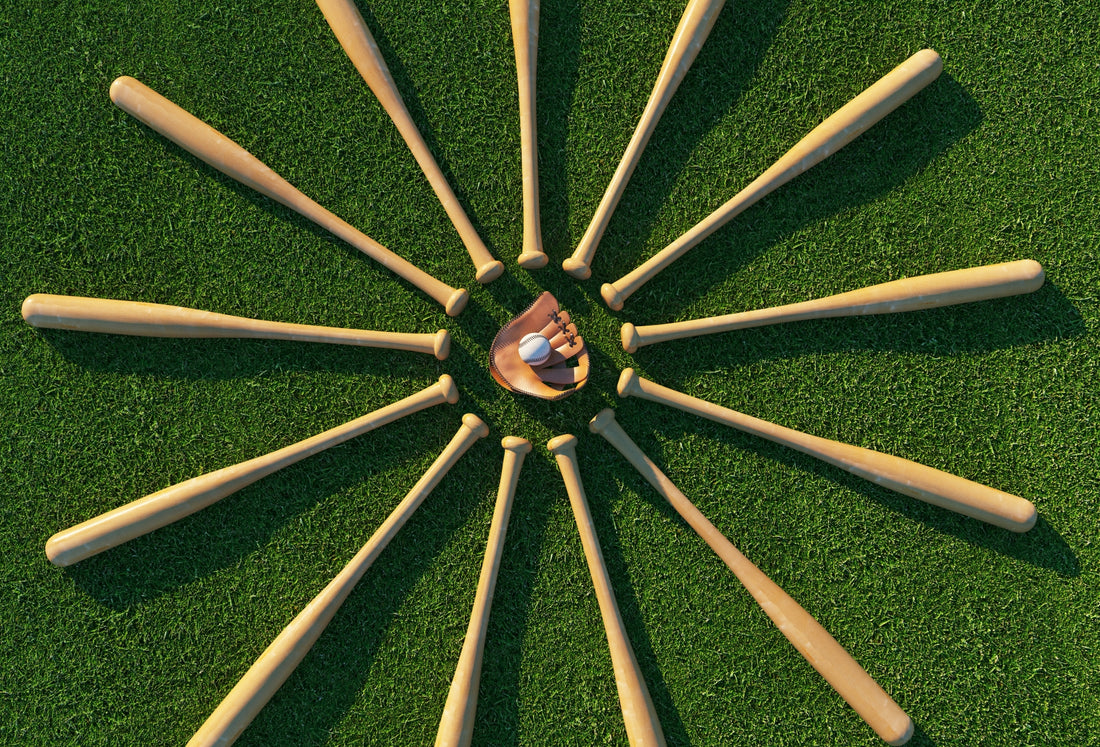
A wooden bat is a type of bat used for ball games such as baseball and softball, and generally refers to one made from wood.
In this article, we will broadly refer to anything made from natural materials as a "wooden bat", and will also introduce bamboo bats and ramie bats, which are bats made by gluing bamboo and maple together to optimize their strength for training, as a type of "wooden bat".
Generally, hard woods such as maple and white ash are used, and these woods have long been used as bat materials because they can make the bat lightweight while at the same time providing sufficient strength.
Wooden bats tend to have a shorter flight distance than metal bats, but the way the ball flies, the sound it makes, and the feel it produces are all unique, and the differences between different materials are particularly noticeable. Therefore, when using a wooden bat, knowing the characteristics of each material can help improve the quality of your play.
The use of wooden bats is mandatory in high school baseball, college, amateur, and professional baseball, and players who want to continue playing baseball for a long time will eventually have to use wooden bats, so it is recommended that they become familiar with wooden bats from junior high and high school age.
Wooden bats used for games

As I mentioned earlier, in hardball baseball, leagues and federations after graduating from high school baseball require the use of wooden bats in official games. (College baseball, amateur baseball, and professional baseball)
Regarding bats to be used in games, only bats with the BFJ mark certified by the All Japan Bat Industry Association or the NPB mark certified by the Nippon Professional Baseball Organization are allowed to be used in games, so you should be aware of this beforehand when choosing a bat.
Please continue reading with the understanding that the basic premise is that bats to be used in matches should have the BFJ mark or NPB mark affixed to them.
What materials can be used for wooden bats?
The materials used as the raw material for wooden bats that can be used in a match are limited.
The feel of hitting the ball and the flex of the bat will change depending on the material, so being able to choose a material that suits your preferences, swing shape, and playing style can greatly contribute to your performance, so when choosing a bat, it's a good idea to establish in your mind the following criteria for choosing a bat: manufacturer, size, shape, and material .
List of materials for wooden bats that can be used in games
Regarding wooden bat materials that can be used in a match, there are four commonly available materials:
- Maple Wood
- Birch
- White Ash Wood
- Ash wood
As we mentioned earlier, these materials affect the feel when hitting the ball, the degree of flexibility, and the flight of the ball, so we will introduce them in more detail later.
Wooden bat for practice

I would like to introduce you to the training bats that are commonly used in practice.
As for the wooden bats used in matches that we introduced earlier, many of them are designed to fly easily in matches and have a good feel when hitting the ball, but bats used for practice are generally designed to be strong and less likely to break, as they are used frequently every day.
List of materials for wooden bats used for practice
- Bamboo (bamboo bat)
- Bamboo x maple (ramie bat)
The most common bats that are optimized for durability for practice are bamboo bats and ramie bats.
They are especially popular among junior and senior high school students who practice frequently because they are less likely to break. In addition, bamboo bats and ramie bats are less expensive than bats used in games, making them more economical, and many players choose them for practice.
Is it really that different depending on the material?

Each of the bat materials introduced above has a different feel, flexibility, and flight depending on the material. In this chapter, we will introduce the characteristics of bats made of each material and introduce them to help you choose a bat!
Maple is the standard for match bats

The most common type of wooden bat currently on the market is maple.
Maple wood is called maple in Japan and is a deciduous broadleaf tree that grows in China and North America.
Currently, it is said that approximately 80 percent of players in Japanese professional baseball use maple bats, and it is now the most popular material, reigning supreme as the "king of wooden bats."
The material is characterized by its hardness, durability, and strong feel, which is said to be similar to that of a metal bat, and is said to be the most familiar material for Japanese people who use metal bats until they graduate from high school.
The characteristics of the material also vary greatly depending on the place of origin. Maple wood grown in cold regions grows slowly, so it is said that it is easier to make bats with tight grain and "easy to fly". "North American maple" is a representative species of maple wood grown in cold regions.
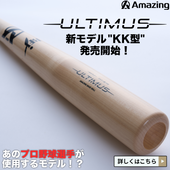
▼Click here for match bats made from North American maple wood
https://shop.amazing-baseball.com/pages/ultimus
Birch

White Ash Wood

Ash wood

Bamboo (bamboo bat)

Bamboo x maple (ramie bat)

When in doubt, choose the royal road
Maple is the standard bat material for games

North American maple bat


summary

[Amazing Original Product List]
▼HEAD RUN BAT
https://shop.amazing-baseball.com/products/head-run-bat-common
▼GET LINE BAT
https://shop.amazing-baseball.com/pages/new-get-line-bat
▼Bamboo bat AIM-CLASSICO
https://shop.amazing-baseball.com/pages/aim-classico
▼Maple bat ULTIMUS
https://shop.amazing-baseball.com/pages/ultimus
▼TSUMADACHI
https://shop.amazing-baseball.com/pages/tsumadachi